TV SERIES REVIEW: Start Trek | Starfleet Academy | A colossal failure, what went wrong and how could it be fixed?
- Martin Gary
- Feb 13
- 3 min read

Updated: Feb 23

For the past decade or more, Star Trek has been in steep decline, and as a professional screenwriter, I can pinpoint exactly where it went off the rails.
The fundamental problem is that the current writers and showrunners appear to have little to no genuine affection for the franchise or its established lore. Canon has been repeatedly disregarded or rewritten to fit new agendas, turning the series into something unrecognizable to longtime fans.
More critically, the shows have systematically stripped away the traditional masculine energy, heroism, and straightforward adventure that historically appealed to the franchise's core audience—straight white men—who have supported Star Trek since the 1960s.

Instead, the creative teams seem fixated on chasing a mythical "modern audience" that prioritizes certain ideological messages over compelling storytelling. This elusive demographic rarely materializes in meaningful numbers, as evidenced by declining viewership and the wave of cancellations across Paramount+'s Star Trek slate. Hollywood keeps betting on this phantom viewer while alienating the loyal base that actually shows up.

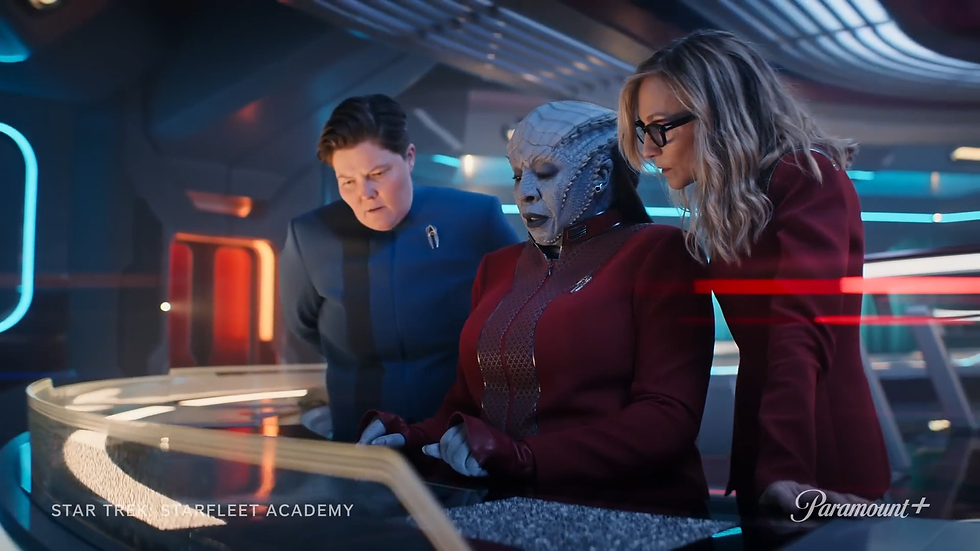
The writing often feels amateurish—under-researched, lacking depth, and thrown together with little respect for the source material. It comes across less like thoughtful science fiction and more like something improvised by inexperienced creators with minimal life experience or understanding of what made classic Trek endure. Elements like characters wearing earpieces in a supposed advanced future, or portraying obesity and casual disarray in what is meant to be a disciplined military/starfleet operation, simply don't make sense and undermine the aspirational tone.
At the end of the day, fans want real Star Trek—they want what it used to stand for under Gene Roddenberry's vision: an optimistic, utopian future where humanity has eradicated poverty, war, hunger, and greed; where people pursue exploration, knowledge, and self-improvement for the greater good rather than profit or power; where racial, gender, and cultural diversity is a natural, unforced reality on a united crew; and where mature, wise leaders confront ethical dilemmas through intellect, diplomacy, and moral courage—not through cynicism, despair, or heavy-handed lectures.

To bring things back to form, cold hard reality demands major change: Alex Kurtzman and his inner circle of acolytes and activists at Paramount must go. They do not have the studio's—or the franchise's—best interests at heart. Their self-serving approach to filmmaking, prioritizing personal agendas over audience appeal and legacy respect, needs to stop, and it needs to stop now.
In their place, Paramount should install someone who genuinely loves and understands the franchise at a deep level. For instance, imagine Chris Gore from Film Threat taking the helm—he's a longtime fan who knows the series, its lore, and source material implicitly, and he has a clear sense of what audiences actually want: smart, exciting sci-fi that honors the originals without apology.

It would also be wise to return to a more familiar timeline and setting—classic-era Starfleet, prime timeline—rather than the disjointed, futuristic-but-not-futuristic mishmash we've seen lately. Why complicate things with illogical modern trappings when the heart of Trek is timeless exploration and human potential?
To summarize: A new chief creative force needs to take the reins, surrounded by writers and showrunners who are true Star Trek buffs with real qualifications, talent, and passion. Only then can the franchise produce something traditional that not only respects Gene Roddenberry's legacy but revives the dynamic optimism he worked so hard to create.
Until that happens, Star Trek will remain forever diminished.
Article by Rick Stocks Feb 2026


Comments